
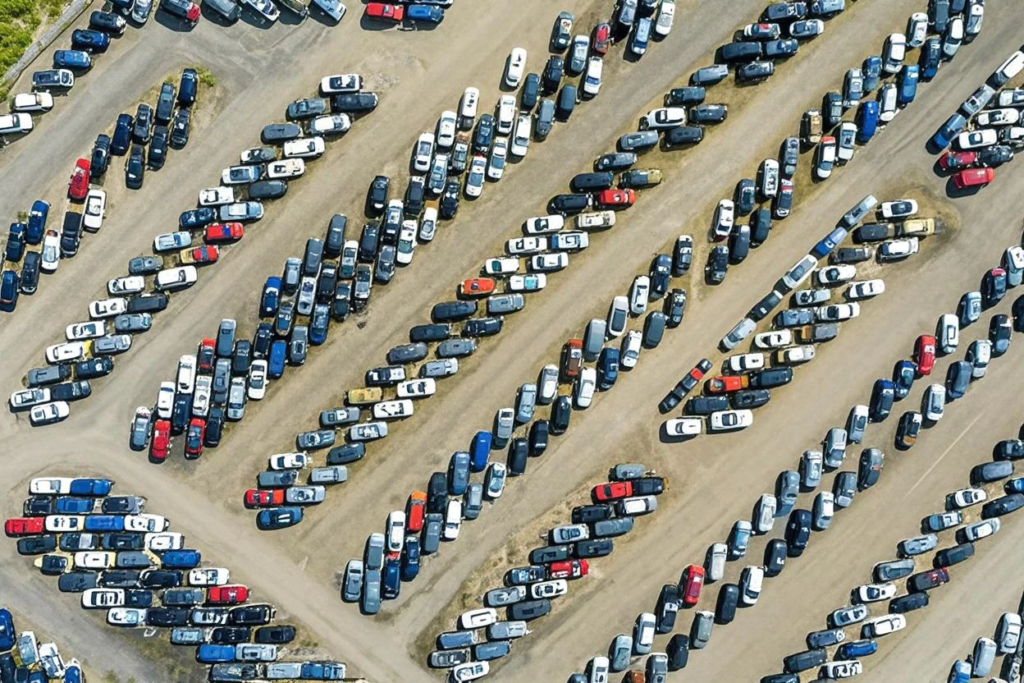

Imagine waking up to a message you’ve been waiting months for: “Your car has arrived at Apapa Port.”
For a few seconds, you’re excited. You picture yourself cruising in your tokunbo ride. Then reality hits. The questions start rushing in. How do I clear it? Who do I pay? Will Customs try to change the valuation? What if my agent runs away with my money?
If that feeling of panic or uncertainty sounds familiar, you’re not alone. I’ve sat with dozens of Nigerians — from businessmen in Lagos to teachers in Port Harcourt — who have told me the exact same thing: clearing a car at Apapa Port feels like stepping into a maze you don’t fully understand.
But here’s the truth no one tells you enough.
Clearing your car doesn’t have to be a nightmare. In fact, when you know exactly what to expect, who to talk to, and where to pay, the process becomes straightforward. Annoying, yes. Stressful, sometimes. But not impossible.
In this guide, I’ll walk you through exactly how to clear your car at Apapa Port. No vague advice. No government agency jargon that confuses you more. Just practical, experience-driven steps from someone who has helped Nigerians bring hundreds of vehicles through this very port.
By the time you finish reading, you’ll know what documents you need, how much to budget, where people make costly mistakes, and — most importantly — how to sleep better knowing your car won’t get stuck for months.
Let’s get into it properly.
Why Apapa Port is Both Famous and Feared by Nigerian Car Importers
If you’ve imported a vehicle from the USA, Canada, UK, or even UAE into Nigeria, you’ve probably heard the name “Apapa” more times than you care to remember. It’s the busiest seaport in Nigeria and one of the largest vehicle clearance points in West Africa.
But here’s what many new buyers don’t realise.
Apapa Port handles thousands of vehicles every month. That means congestion is real. Paperwork delays happen. And if you don’t know the right流程, you could spend weeks going from one office to another.
However — and this is important — most of the horror stories you hear about Apapa come from two types of people:
- People who used inexperienced agents.
- People who tried to cut corners.
I’ve seen cars cleared in under two weeks. I’ve also seen cars stuck for six months. The difference wasn’t luck. It was preparation.
So let’s prepare you properly.
What You Must Understand Before Your Car Arrives
This is where many people make costly mistakes. They wait until the vessel docks before they start thinking about clearing. By then, demurrage charges are already ticking.
Demurrage is simply the fee you pay when your cargo stays at the port longer than the free period allowed. Think of it like late fees for returning a rented car — except much more expensive.
Most shipping lines give you between 3 to 7 days of free storage after the vessel arrives. After that, every day adds thousands of naira to your bill.
So rule number one: start your clearing preparations before the ship lands.
Here’s a quick checklist of what you should have ready in advance:
- Original Bill of Lading (or telex release)
- Commercial invoice from your supplier or auction house
- Packing list
- Cleaned copy of your passport
- Tax Identification Number (TIN)
- Form M (yes, this is crucial — more on it soon)
- PAAR (Pre-Arrival Assessment Report)
If you don’t know what half of these are, don’t worry. I’ll explain each one.
The Most Important Document You Cannot Skip: Form M
Let me pause here because this is non-negotiable.
Form M is a mandatory document required by the Central Bank of Nigeria (CBN) for all physical imports into the country. You are supposed to open it before your vehicle is shipped.
What many Nigerian car buyers don’t realise is that you can’t clear your vehicle at Apapa Port without a valid Form M linked to your shipment. If your car arrives and you haven’t opened Form M, you’re in trouble. You’ll face delays, penalties, and in some cases, the risk of your car being seized.
If you’re importing through Autoriva, we handle this for you. But if you’re going solo, make sure your agent or auction representative opens Form M correctly.
Pro tip: Ensure the vehicle details on your Form M match exactly with what’s on your Bill of Lading and commercial invoice. Even a small discrepancy — like a misspelled model name — can delay clearance by weeks.
Step-by-Step Process to Clear Your Car at Apapa Port
Now, let’s walk through the actual steps you’ll take from the moment your vessel arrives to the day you drive your car out of the port.
I’ll break this down into clear phases so you know exactly what happens behind the scenes.
Step 1: Vessel Arrival and Cargo Notification
Your shipping line will notify you (or your agent) that the vessel has arrived at Apapa Port. You’ll receive a “Notice of Arrival” which confirms the location of your container or your Roll-on/Roll-off (RoRo) vehicle.
RoRo means your car was driven onto the ship and will be driven off. This is common for vehicles shipped from the USA and Europe to Nigeria.
At this point, you need to confirm:
- Your vehicle’s location within the port (which terminal or stack)
- The shipping agent handling your cargo
- Any initial port charges
What many people don’t know is that you don’t just walk into Apapa Port. It’s a controlled zone. You’ll need proper identification and your documents before you’re allowed access.
Step 2: Engaging a Licensed Customs Agent (Very Important)
Here’s something I tell every single client.
Do not attempt to clear your vehicle by yourself if you’ve never done it before. Apapa Port is massive. There are multiple agencies involved — Nigeria Customs Service (NCS), Port Health, NAQS (agricultural quarantine), and terminal operators, to name a few.
Each has its own desk, its own paperwork, and its own… let’s call them “personalities.”
A licensed customs agent (also called a clearing agent) is someone registered with the Nigeria Customs Service. They know the officers, the systems, and the fastest routes to get your documents stamped.
But here’s the catch: not all agents are trustworthy.
I’ve heard stories of agents collecting money and disappearing. Or agents inflating charges because the client doesn’t know better. That’s why working with a reputable company like Autoriva matters — we vet every partner we use.
If you must hire an agent independently, ask for:
- CRFFN registration certificate (Council for the Regulation of Freight Forwarding in Nigeria)
- References from past clients
- A written breakdown of all fees
And never pay everything upfront.
Step 3: Customs Valuation and Duty Payment
This is where most of the anxiety happens. And honestly, for good reason.
When your vehicle arrives, Customs will assess its Customs Value — which is not necessarily what you paid for the car. They use a combination of:
- Your invoice value
- The vehicle’s year, make, and model
- Current market values from international databases
- Shipping and insurance costs (CIF: Cost, Insurance, Freight)
Your duties and levies are calculated based on this Customs Value.
For used cars imported into Nigeria, the typical charges include:
- Import Duty — 35% of the Customs Value (for used vehicles under 2000cc? Let me clarify. The actual rate can vary based on engine size and type, but for most sedans and SUVs Nigerians import, expect around 35% for used vehicles above 2000cc. Always check current CITA rates.)
- Levy — 35% on certain vehicles (some categories attract an additional levy under the Nigerian Automotive Industry Development Plan)
- Customs processing fee — 1% of the value
- ETLS levy — 0.5% (if applicable)
- Other port charges — terminal handling, shipping line fees, security fees
Let me give you a real example.
You buy a 2018 Toyota Camry in the USA for $8,000. Shipping and insurance cost $2,000. Your CIF value is $10,000. At an exchange rate of ₦1,500 to the dollar (use current NCS rate), that’s ₦15,000,000.
If import duty + levy is 70% combined (35% duty + 35% levy), you’re looking at roughly ₦10,500,000 in customs charges alone. Then add port fees, agent fees, and delivery.
Suddenly that “cheap” tokunbo car becomes much more expensive.
This is why many buyers are shocked. They budget only for the car and shipping, forgetting that Nigerian Customs will take a significant cut.
What you can do:
- Ask your agent for a duty estimation before your car ships
- Ensure your invoice is genuine (fake invoices can lead to seizure and penalties)
- Understand that Customs has the final say on valuation
If you feel Customs has overvalued your vehicle, you can request a valuation query. But be prepared to provide evidence — recent sales receipts, auction listings, or valuation reports from recognised sources.
Step 4: Processing PAAR (Pre-Arrival Assessment Report)
Once Customs determines your duty amount, they issue a PAAR — Pre-Arrival Assessment Report. This document confirms that your vehicle has been assessed and duties have been calculated.
Think of PAAR as your green light to proceed with payment.
You cannot pay your customs duty without a valid PAAR linked to your Form M and Bill of Lading.
Processing time for PAAR can range from 24 hours to several days, depending on:
- How complete your documents are
- Whether Customs has any queries about your vehicle
- How busy the system is (spoiler: it’s often busy)
This is where a good agent earns their fee. They know which officers to follow up with and how to resolve discrepancies quickly.
Step 5: Duty Payment Through Approved Banks
After receiving your PAAR, you (or your agent) will proceed to an approved bank to pay the assessed duties. These payments are made through the Treasure Single Account (TSA) system — which means the money goes directly to the government’s account, not your agent’s.
This is actually a good thing. It reduces the risk of fraud.
Once payment is confirmed, you’ll receive a Customs Duty Payment Receipt. Hold onto this document like your firstborn’s birth certificate. You’ll need it at every subsequent stage.
Common mistake: Some agents collect duty money from clients but delay payment. Meanwhile, demurrage charges keep accumulating. Always ask for proof of payment immediately after the transaction.
Step 6: Customs Examination and Physical Inspection
Now things get real.
After duty payment, your vehicle is scheduled for physical examination by Customs officers. This is where they verify that:
- The vehicle’s chassis number matches your documents
- The engine number matches (where applicable)
- The vehicle specifications (year, model, fuel type) match the declaration
- There are no hidden contraband or illegal modifications
For RoRo vehicles, the inspection happens at the terminal where your car was offloaded. For containerised vehicles (rare for most private imports but possible for luxury cars or parts), they may open the container in your presence.
Here’s a reality check.
Apapa Port can be chaotic. Sometimes you’ll get an inspection quickly. Other times, you’ll wait days because the officer assigned to your terminal is “not available” or the system is down. This is frustrating, I know. But patience — and having an agent with good relationships — makes a huge difference.
What can go wrong:
- Chassis number is rusted or unreadable (common with older vehicles)
- Your agent didn’t submit the right paperwork
- The vehicle is flagged for additional checks (random or suspicion-based)
If everything matches, your vehicle receives a Customs Examination Report and is cleared for exit from the port.
Step 7: Terminal Handling and Delivery
Congratulations. Your vehicle has passed Customs inspection. Now you need to get it out of the port physically.
This involves:
- Terminal handling charges — fees to the terminal operator for moving your vehicle
- Shipping agent release — confirmation that all shipping line fees are settled
- Gate pass — the final document that allows your vehicle to drive through the port gate
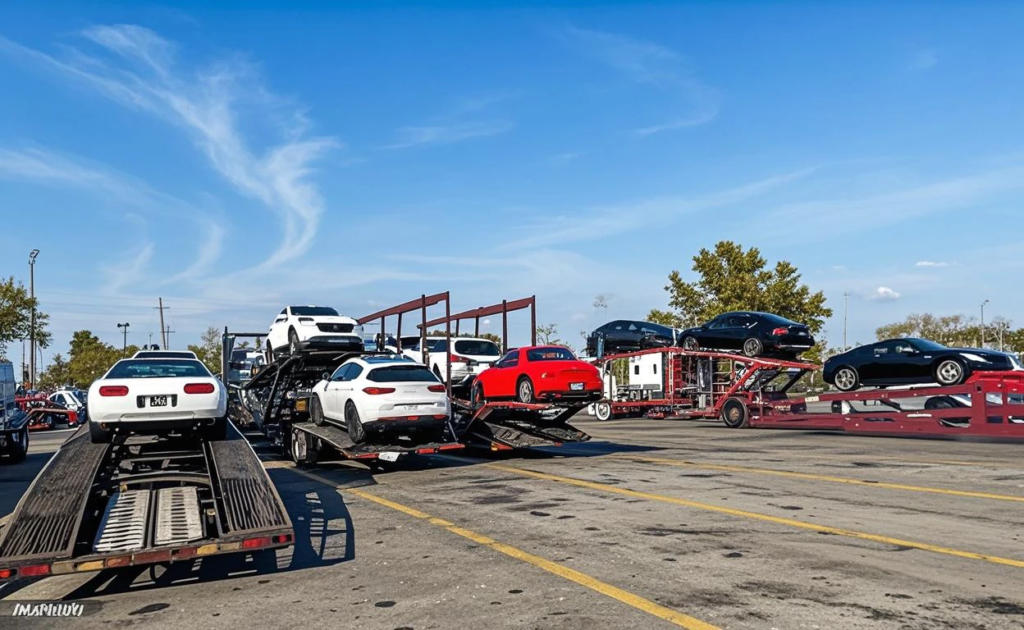
Once you have a valid gate pass, your car can be driven out (or loaded onto a truck) and delivered to you in Lagos, Abuja, Port Harcourt, or anywhere else in Nigeria.
Some people drive their cars directly from Apapa to their destination. Others use car haulers, especially for longer distances or multiple vehicles.
Pro tip: If your car has been sitting at the port for weeks, expect the battery to be dead. Bring jump-start cables or arrange for a mechanic to check the vehicle before you drive off.
How Much Does It Really Cost to Clear a Car at Apapa Port?
Let me answer this question honestly because I know it’s the one on your mind.
There is no fixed price. It depends on:
- The vehicle’s value (CIF)
- Engine size and fuel type
- The year of manufacture
- How long your car stays at the port (demurrage)
- Your agent’s fees
That said, here’s a realistic example for a 2017 Toyota Highlander imported from the USA.
| Cost Component | Estimated Amount (₦) |
|---|---|
| Vehicle cost (used) | ₦12,000,000 |
| Shipping + insurance | ₦3,000,000 |
| CIF Value | ₦15,000,000 |
| Import duty (35%) | ₦5,250,000 |
| Levy (35% on some vehicles) | ₦5,250,000 |
| Customs processing (1%) | ₦150,000 |
| ETLS (0.5%) | ₦75,000 |
| Terminal handling | ₦250,000 |
| Clearing agent fees | ₦300,000 – ₦500,000 |
| Miscellaneous (trucking, paperwork, etc.) | ₦200,000 |
| Total landed cost | Approx ₦28–30 million |
Yes, that means your total cost can be more than double the US purchase price. This is why experienced buyers don’t just look at the auction price — they calculate the fully landed cost before bidding.
If you want a more accurate estimate for your specific vehicle, reach out to Autoriva. We help clients understand total landed costs before they commit to any purchase.
Common Mistakes That Delay Car Clearance at Apapa Port
After helping hundreds of Nigerians import vehicles, I’ve seen the same mistakes repeat themselves. Learn from other people’s pain so you don’t experience it yourself.
Mistake 1: Using an Unlicensed Agent
Some agents operate without CRFFN registration. They might be cheaper, but if they make a mistake or run away, you have zero recourse. Customs may also reject documents submitted by unlicensed agents.
Solution: Always verify your agent’s license. Or better, work with a company like Autoriva that manages everything end-to-end.
Mistake 2: Incomplete or Incorrect Documentation
One wrong digit in your chassis number on Form M can halt your clearance completely. I’ve seen cars sit for two months because the engine capacity was listed as 2.5L instead of 2.4L.
Solution: Triple-check every document before submission. Compare your Bill of Lading, Form M, and commercial invoice side by side.
Mistake 3: Delaying Form M Opening
If your car arrives and Form M isn’t ready, you cannot start the clearance process. Every day of waiting means demurrage charges.
Solution: Open Form M as soon as your vehicle is shipped. Don’t wait until it arrives in Lagos.
Mistake 4: Under-declaring Vehicle Value
Some buyers ask their suppliers to issue a lower invoice to pay less duty. This is risky. Customs has access to international valuation databases. If they suspect under-declaration, they can seize your vehicle and impose heavy penalties.
Solution: Declare the true transaction value. The money you “save” isn’t worth the risk of losing your car entirely.
Mistake 5: Not Budgeting for Demurrage
People often underestimate how long clearance takes. They assume one week, but it stretches to three or four. Then they’re shocked by the demurrage bill.
Solution: Budget for at least two weeks of potential delays. If you clear faster, you’ve saved money. If not, you’re prepared.
Why Vehicle Condition Matters Even Before Clearance
Here’s something many online guides skip.
Clearing your car is only half the battle. What happens if the car that arrives is damaged, flooded, or not what you bid on?
I’ve seen Nigerians pay millions in customs duties only to discover their “clean” auction car has flood damage or a rebuilt title. At that point, you’ve already paid duty. You can’t return the car easily. You’re stuck.
This is why pre-purchase inspection is critical.
When you buy from Copart, IAAI, or Manheim, you’re buying based on photos and condition reports. Those reports aren’t always 100% accurate. A vehicle listed as “runs and drives” could have transmission problems. A “minor damage” report could hide frame damage.
Autoriva helps clients avoid this by:
- Reviewing auction condition reports critically
- Arranging third-party inspections where possible
- Advising which vehicles to bid on and which to avoid
- Helping clients understand US title types (clean, salvage, rebuilt, etc.)
Never bid on a vehicle just because it looks cheap. A cheap auction car that needs ₦5 million in repairs and clearing is not cheap anymore.
What Nigerians Should Know About CITA, NAFDAC, and Other Acronyms
When you step into the world of importing, you’ll hear many three- and four-letter agencies. Let me demystify the most important ones.
Nigeria Customs Service (NCS)
The main agency responsible for duty assessment, collection, and enforcement. You can’t clear any vehicle without their approval.
CITA (Council for International Trade Analysis)
This isn’t an agency, but you’ll hear “CITA duties” often. CITA refers to the Common External Tariff used by ECOWAS countries. The duty rates I mentioned earlier (35% duty + 35% levy for some vehicles) come from CITA.
NAQS (Nigeria Agricultural Quarantine Service)
They inspect vehicles for agricultural pests and contaminants. Sounds strange, but cars that have been parked on farms or carried agricultural products may need NAQS clearance. Most regular passenger vehicles don’t need extensive NAQS checks, but roll-on/roll-off ships sometimes require basic inspection.
SON (Standards Organisation of Nigeria)
They focus on product quality. For used vehicles, SON is less involved, but for new vehicles or specific auto parts, their regulations apply.
NPA (Nigeria Ports Authority)
They manage the ports themselves, including Apapa. Terminal operators lease space from NPA, so your terminal handling charges ultimately go toward port operations.
Knowing which agency does what helps you understand why there are so many different fees — and why you can’t just pay one person and be done.
How Shipping from the US, Canada, UK, and UAE Differs for Apapa Clearance
The country you ship from affects certain aspects of clearance.
USA to Nigeria (Most Common)
Most Nigerian tokunbo buyers prefer US vehicles because of:
- Better documented history (Carfax, Autocheck)
- Generally cleaner vehicles (fewer rust issues than UK or Canada)
- Wide availability of popular models (Toyota, Honda, Lexus, Mercedes)
However, US salvage titles require extra scrutiny. Ensure you understand what “salvage” means. Some salvage vehicles are perfectly repairable. Others are flood-damaged nightmares.
Shipping time from US ports (Houston, Baltimore, Charleston) to Apapa typically ranges from 30 to 45 days, depending on the shipping line and route.
Canada to Nigeria
Canadian vehicles may have lower odometer readings due to harsh winters (people drive less). But watch for rust damage from road salt. Canadian auction listings may also have different condition coding than US ones.
UK to Nigeria
The UK is closer, so shipping is faster — sometimes 2 to 3 weeks. But UK vehicles may have different specifications (right-hand drive? Actually most UK vehicles for export are RHD, but Nigerians prefer LHD from the US. So if you’re buying from the UK for Nigeria, confirm the steering side). Also, UK MOT history can reveal maintenance issues.
UAE to Nigeria
UAE is popular for luxury vehicles and newer models. However, some UAE vehicles have been driven hard in hot, dusty conditions. Ensure the air conditioning is functional — a non-negotiable in Nigeria’s climate.
Clearance at Apapa is the same regardless of origin country once the vehicle arrives. The differences are in the pre-shipping checks and documentation.
How Autoriva Makes Apapa Clearance Less Stressful
I’ve shared a lot of detailed information. You might be thinking, “This is overwhelming. I just want my car without the headache.”
I completely understand.
Here’s where Autoriva comes in.
We don’t just write guides. We actually help Nigerians import vehicles from start to finish. Our services include:
- Auction representation — We bid on your behalf at Copart, IAAI, Manheim, and other auctions.
- Vehicle inspection — We review condition reports, help you avoid bad buys, and source clean vehicles.
- Shipping coordination — We handle logistics from the auction house to the port, and from origin to Apapa.
- Customs clearance — Our licensed agents manage Form M, PAAR, duty payment, and physical examination.
- Delivery — Once cleared, we arrange transportation to Lagos, Abuja, PH, or your preferred city.
We’ve done this hundreds of times. We know which Customs officers handle which terminals. We know how to resolve discrepancies quickly. We know the shortcuts that save you time and demurrage charges.
And most importantly, we’re transparent. You’ll know your total landed cost before you commit. No surprises. No hidden fees.
FAQ — People Also Ask
How much does it cost to clear a car at Apapa Port?
Clearing costs vary based on the vehicle’s CIF value, engine size, and year. For a typical Toyota Camry or Highlander, total customs duties and port charges range from ₦5 million to ₦15 million, depending on the vehicle’s value. Always get an estimate before shipping.
Can I clear my car myself at Apapa Port?
Technically, yes. Practically, it’s not advisable. Apapa Port has complex processes involving multiple government agencies. A licensed customs agent knows the system and can clear your vehicle faster. Without an agent, you risk delays, mistakes, and higher demurrage charges.
How long does car clearance take at Apapa Port?
If all documents are complete and duties are paid promptly, clearance can take 7 to 14 days. However, delays are common. Factor in up to 3 to 4 weeks when planning, especially during peak seasons or when there are port congestion issues.
What happens if Customs seizes my imported vehicle?
Customs can seize a vehicle for under-declaration of value, incorrect documentation, or if the vehicle is on the prohibition list (e.g., vehicles older than 15 years for some categories). Seizure leads to penalties, forfeiture, or auctioning of the vehicle. Avoid this by declaring true values and using proper procedures.
Do I need Form M before my car arrives?
Yes. Form M must be opened before the vehicle is shipped. If your car arrives without a valid Form M, you cannot start clearance. You may face penalties and significant delays. Always confirm your agent has opened Form M well before the vessel docks.
Can Autoriva help if I already bought a car from Copart?
Absolutely. Even if you’ve already won an auction, Autoriva can help with shipping, customs clearance, and delivery. Contact us with your auction details, and we’ll provide a quote for the remaining services.
Final Thoughts — Your Car Is Closer Than You Think
Clearing your car at Apapa Port is not the monster that late-night WhatsApp forwards make it out to be. Yes, it’s bureaucratic. Yes, it can be frustrating. But it is also predictable — if you know the rules.
The key is preparation.
Have your documents ready. Work with a trusted agent or company. Budget realistically for duties and port charges. And most importantly, don’t let fear push you into shortcuts that end up costing more.
You’ve worked hard for that vehicle. You deserve to drive it on Nigerian roads without months of unnecessary delay.
If you want to skip the stress entirely — from auction bidding to delivery at your doorstep — reach out to Autoriva today.
We’ll handle the paperwork, the port runs, the Customs officers, and the logistics. You just focus on where you’ll take your new ride first.
Ready to import your tokunbo car without the clearance nightmare? Contact Autoriva via WhatsApp or our website for a free consultation and personalised landed cost estimate.