
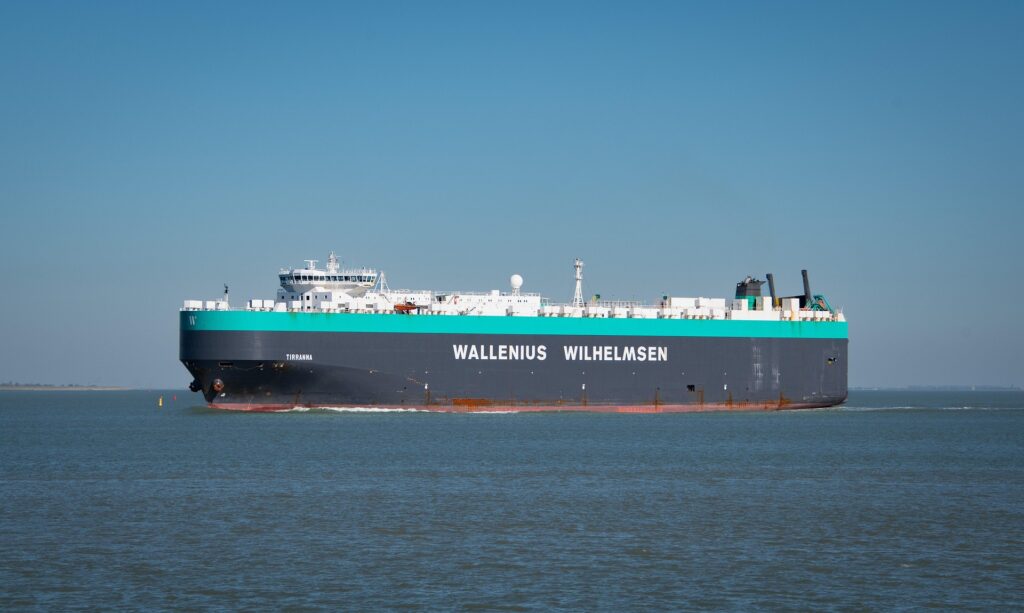
When Nigerians think about importing used vehicles, the United States typically comes to mind first. This is understandable—the US dominates Nigeria’s used vehicle import market, accounting for N217.56 billion worth of used vehicles in Q1 2026, representing approximately 87.1 per cent of total imports in that category .
However, Canada has emerged as a significant secondary source, recording N8.72 billion in used vehicle exports to Nigeria in Q1 2026 . This positions Canada as a consistent supplier, alongside the United Arab Emirates (N10.32bn), Italy (N6.64bn), and China (N6.60bn) .
What makes Canadian vehicles attractive to Nigerian importers? Canada shares many of the same vehicle models popular in Nigeria—Toyota, Honda, Lexus, and Mercedes-Benz are all readily available. Additionally, the shipping infrastructure is well-established, with RoRo (Roll-on/Roll-off) shipping providing cost-effective transport from Canadian ports to Lagos.
This guide provides a comprehensive roadmap for importing cars from Canada to Nigeria in 2026. You will learn about market trends, the Canada-specific import process, shipping costs and timelines, customs duty calculations, and the critical regulations—including the new VehCAP policy—that apply to all vehicle imports.
Canada’s Growing Role in Nigeria’s Used Vehicle Market
The Numbers
In the first quarter of 2026, Nigeria’s importation of used vehicles rose by 91.92 per cent to N249.84 billion . This surge occurred despite the Federal Government’s introduction of a stricter regulatory framework aimed at preventing substandard vehicle imports .
A breakdown of the data shows:
| Country | Q1 2026 Imports (₦) | Percentage of Total |
|---|---|---|
| United States | N217.56 billion | 87.1% |
| UAE | N10.32 billion | 4.1% |
| Canada | N8.72 billion | 3.5% |
| Italy | N6.64 billion | 2.7% |
| China | N6.60 billion | 2.6% |
Comparative analysis indicates that imports from the United States rose significantly by 132.67 per cent, increasing from N93.51bn in Q1 2025 to N217.56bn in Q1 2026 . Canada’s contribution, while smaller, remains consistent and significant for Nigerian buyers seeking alternatives to the US market.
Why Canadian Vehicles Attract Nigerian Buyers
Canadian vehicles offer several advantages:
Similar Vehicle Inventory: Canadian and US markets share many of the same vehicles. Popular Nigerian brands like Toyota, Honda, Lexus, Mercedes-Benz, BMW, and Ford are all readily available.
Documented Histories: Canadian vehicles typically have documented histories through Carfax Canada and other reporting services, providing transparency for Nigerian buyers.
Competitive Pricing: While some sources note that Canadian vehicles may be more expensive due to lower mileage and better condition, the quality trade-off can be attractive for buyers seeking well-maintained vehicles . As one source explains, “Typically, the cars from Canada will be in better conditions, because of the extreme climatic conditions that disallow frequent usage of vehicles” .
Established Shipping Routes: Several shipping lines offer regular RoRo service from Canadian ports (Halifax, Montreal, Vancouver) to Nigeria.
Canada-Specific Considerations for Vehicle Importers
Climate and Vehicle Condition
One of the most important considerations when importing from Canada is the climate. Canadian winters expose vehicles to road salt, which can cause rust and corrosion that may not be visible in auction photos.
Important: Vehicles from provinces with harsh winters (Ontario, Quebec, Manitoba, Alberta) may have underbody rust. Prioritize vehicles from British Columbia or other regions with milder winters if rust is a concern.
Auction Access in Canada
The two largest auction platforms operating in Canada are:
IAAI Canada: A subsidiary of IAAI (Insurance Auto Auctions), offering salvage and clean-title vehicles from Canadian insurance companies. IAAI provides digital evaluation tools including IAA 360 View™ and IAA Engine Starts™ videos for remote inspection .
ADESA Canada: A major wholesale vehicle auction platform with locations across Canada.
AuctionExport: A marketing alliance partner of IAAI, AuctionExport specializes in the sale and export of used cars from the United States and Canada to worldwide car buyers, including Nigeria . They offer assistance with the entire buying process, from account creation to export .
Currency Considerations
All transactions in Canada are conducted in Canadian dollars (CAD). Nigerian buyers must consider:
- Exchange rate fluctuations between CAD and NGN
- Bank transfer fees for international payments
- The impact of currency movements on total landed cost
Export Documentation from Canada
Shipping a vehicle from Canada requires specific documentation:
- Bill of Sale (proof of purchase)
- Original Title (Canadian vehicle ownership document)
- CBSA Export Declaration
- Vehicle Export Permit
Important: Canadian export regulations differ from US regulations. Work with a freight forwarder experienced in Canadian exports to ensure compliance.
2026 Shipping from Canada to Nigeria
Shipping Methods: RoRo vs Container
RoRo (Roll-on/Roll-off) Shipping
RoRo is the most common method for shipping vehicles from Canada to Nigeria. In this method, all types of drivable vehicles are driven on and off the ship .
Advantages of RoRo:
- Cost-effective for operational vehicles
- Faster loading and discharge process
- Simpler handling (no container stuffing required)
Requirements: Your vehicle must be in drivable condition. A forklift and towable options are available at an additional cost for non-running vehicles .
Container Shipping
Container shipping is suitable for:
- Non-running vehicles
- Luxury or high-value vehicles (enhanced security)
- Vehicles being shipped with personal effects
Cost Considerations: Shipping costs depend on the size, weight, condition, and location of the vehicle . Shipping lines offer both RoRo and container options, though RoRo generally works out more cost-effectively.
Canadian Ports for Vehicle Export
| Port | Region | Typical Transit Time to Nigeria |
|---|---|---|
| Halifax | East Coast | 45–60 days |
| Montreal | East Coast | 45–60 days |
| Vancouver | West Coast | 50–65 days |
The Shipping Process
According to industry experts, the shipping process follows these steps :
- Vehicle Purchase: Buy from trusted Canadian auction platforms or dealers.
- Documentation: All documentation and insurances will be handled by the shipping company .
- Ocean Freight: Shipping is mostly done using the RORO method as it is simpler and easier to handle .
- Arrival in Nigeria: Once the shipment reaches the port in Nigeria, it will be assigned to a designated agent who will consolidate the entire cargo of the container and check if everything is in place. The cargo will then be assigned to each individual consignee .
- Take Possession: You can take possession of your vehicle from the port by using the title and the Original Bill of Landing, which you would have received through express courier to make sure that the documents reach you before your car reaches the port .
- Customs Clearance: Use these documents to get your car cleared from the customs and drive it home .
Vehicle Condition Requirement
For RoRo shipping, “It is therefore important to make sure that your car is in drivable condition” . If you are shipping a non-running vehicle, confirm with your shipper whether forklift or towable options are available and at what additional cost .
2026 Customs Duty for Canadian Vehicle Imports
The CIF Formula
The Nigerian Customs Service uses the Customs Valuation System (CVS) to determine the payable duty, based on the CIF value of the vehicle — Cost + Insurance + Freight .
| Component | Description |
|---|---|
| Cost (C) | The purchase price of the vehicle |
| Insurance (I) | Insurance cost during shipment to Nigeria |
| Freight (F) | The shipping cost from the origin country to a Nigerian port |
2026 Duty and Levy Rates
| Charge Type | 2026 Rate | Calculated On |
|---|---|---|
| Import Duty | 20% | CIF Value |
| Surcharge | 7% | Import Duty |
| Import Levy | 4% | FOB Value |
| ETLS (ECOWAS Trade Levy) | 0.5% | CIF Value |
| VAT | 7.5% | CIF + Duty + Surcharge + Import Levy + ETLS |
Total statutory charges: Typically range from 30% to 45% of CIF value depending on the vehicle category .
Duty Calculation Example
Example: Used car with CIF value of $10,000 and FOB value of $8,500
| Charge | Calculation | Amount (USD) |
|---|---|---|
| Import Duty | 20% × $10,000 | $2,000 |
| Surcharge | 7% × $2,000 | $140 |
| Import Levy | 4% × $8,500 | $340 |
| ETLS | 0.5% × $10,000 | $50 |
| VAT | 7.5% × ($10,000 + $2,000 + $140 + $340 + $50) | $939.75 |
| Total Duty | ~$3,469.75 |
Why Duty May Differ by Country
Vehicle duties may vary depending on the country of origin, due to exchange rate fluctuations, Customs valuation databases, and shipping route costs .
- USA to Nigeria: Lower freight cost via RoRo shipping
- Canada to Nigeria: Similar structure to US imports; duty is based on CIF value regardless of origin
Important: The duty is not a flat rate; it varies depending on factors such as year of manufacture, engine capacity, vehicle type, country of origin, and exchange rate at the time of import .
The VehCAP Requirement — Mandatory for All Imports
What Is VehCAP?
The Federal Government introduced the Standards Organisation of Nigeria–National Automotive Design and Development Council Vehicle Conformity Assessment Programme (SON-NADDC VehCAP), making certification mandatory for all imported vehicles .
The “No Certification, No Entry” Policy
According to the Minister of State for Industry, Trade and Investment, John Enoh: “With effect from the commencement of this SON-NADDC VehCAP, all new and used vehicles and automotive products entering Nigeria must obtain pre-shipment certification on that VehCAP before Form M approval, before customs valuation, before PAAR processing, before import clearance, and before market entry” .
What This Means for Canadian Vehicle Importers
- Pre-shipment certification is mandatory: Vehicles must be certified before they leave Canada
- No vehicle shall be imported, cleared, registered, or licensed without valid certification
- Non-compliant imports shall be subject to refusal of clearance, seizure, or sanctions
The 90-Day Transition Window
While the policy has commenced, a 90-day transition window has been provided for importers to align with the new requirements .
Recommendation: Do not wait. Work with your freight forwarder or shipping company to arrange VehCAP pre-shipment certification for every vehicle you import from Canada.
How to Access Canadian Auctions from Nigeria
Direct Registration on IAAI
IAAI offers direct access to Nigerian buyers:
- Upload a copy of your passport or valid driver’s license. If your ID does not include a residential address, proof of address (utility bill, tax receipt, bank statement) is required.
- Pay the $200 annual membership fee online by credit card.
Licensed Business Buyer Registration :
- Upload a copy of your passport or valid driver’s license
- Upload your business license (Certificate of Incorporation, Certificate of Registration, or E-Status Report from CAC)
- Verify your business status with CAC is Active
- Submit proof of recent tax payment (Tax Clearance Certificate from FIRS or state IRS)
- Pay the $200 annual membership fee
Using Brokers
If you do not have a business license or want to access vehicles in states with stricter requirements, “Brokers are experienced buyers who can help you bid, pay, transport, ship and clear vehicles through customs. Their licenses allow them to purchase in places where you may not be eligible to bid” .
Important: Brokers operate independently from IAA and have their own terms and conditions. “Be sure to obtain a clear understanding of those terms before engaging their services” .
Brokers for Nigerian buyers:
- Boacon Autos: The official IAA Market Alliance in Nigeria
- AuctionExport: A marketing alliance partner of IAAI that specializes in export from the US and Canada
Which Platform to Use?
If your preferred vehicle is available on IAAI Canada, you have three options:
- Register directly with IAAI and bid independently
- Use AuctionExport’s assistance for the entire buying process
- Use Boacon Autos in Nigeria as your broker
Market Trends and Considerations
The Rise in Vehicle Imports
Despite the stricter regulatory framework, used vehicle imports rose by 91.92 per cent to N249.84bn in Q1 2026 . This indicates sustained demand for imported vehicles in Nigeria.
Why US Dominates, but Canada Remains Attractive
The United States remains the dominant source for several reasons :
- Largest inventory of used vehicles
- Established shipping infrastructure to West Africa
- Competitive pricing
However, Canada is a consistent secondary source, particularly for buyers who:
- Seek vehicles with documented histories
- Prefer vehicles in better condition (Canadian vehicles often have lower mileage due to seasonal usage)
- Want alternatives to US auction prices
Cross-Border Shipping Challenges
As one industry observer noted, “The industry has been devoid of communication and structure. Dealers often win auctions but, what determines their actual profit is everything that happens after that, ranging from trucking, shipping, classification, documentation, exchange rate volatility and unexpected charges” .
Key challenges to manage:
- Vehicle shipping classifications (run and drive, non-runner, forklift handling)
- Exchange rate volatility on dollar-denominated payments
- Storage fees up to $60 per day for delayed pickup
Step-by-Step Guide to Importing from Canada
Step 1: Identify Your Vehicle
Browse Canadian auction platforms (IAAI Canada, ADESA) or use a broker like AuctionExport.
Step 2: Run VIN Verification
Check for flood damage, accident history, and title status. Prioritize vehicles from British Columbia if rust is a concern.
Step 3: Bid and Purchase
Place your bid through the auction platform or broker. Confirm payment method (CAD wire transfer or broker arrangement).
Step 4: Arrange VehCAP Pre-Shipment Certification
Ensure your vehicle obtains VehCAP certification before it leaves Canada. This is now mandatory .
Step 5: Arrange Shipping
Select RoRo (for running vehicles) or container shipping. Confirm shipping line schedule from Canadian ports (Halifax or Montreal are most common).
Step 6: Prepare Export Documentation
Work with your freight forwarder to prepare:
- Bill of Sale
- Original Title
- CBSA Export Declaration
- Vehicle Export Permit
Step 7: Ocean Freight
Transit time is typically 45–60 days from East Coast Canadian ports to Nigeria.
Step 8: Arrival in Nigeria
Vehicles arrive through PTML at Tin Can Island Port, which specializes in vehicle handling.
Step 9: Customs Clearance
Work with a licensed clearing agent to:
- Process PAAR
- Pay customs duty (30–45% of CIF)
- Complete physical examination (if required)
- Obtain terminal release
Step 10: Vehicle Registration
Register with the FRSC and state licensing authority.
Frequently Asked Questions
Is Canada a good source for vehicle imports to Nigeria?
Yes. In Q1 2026, Canada exported N8.72 billion worth of vehicles to Nigeria, making it one of the top five sources alongside the US, UAE, Italy, and China .
How much does it cost to ship a car from Canada to Nigeria?
RoRo shipping from East Coast Canadian ports typically costs between $1,500 and $2,500 depending on vehicle size . Container shipping costs more.
What is the VehCAP requirement?
VehCAP is the mandatory vehicle conformity assessment programme requiring all vehicles to obtain pre-shipment certification before Form M approval, customs valuation, PAAR processing, import clearance, and market entry .
Can I register on IAAI from Nigeria?
Yes. Nigerian buyers can register as Public Buyers ($200 annual fee) or Licensed Business Buyers ($200 annual fee) .
What is the difference between RoRo and container shipping?
RoRo is cheaper and faster for running vehicles. Container shipping offers higher security and is suitable for non-running vehicles, luxury vehicles, or when shipping personal effects .
How much customs duty do I pay on a Canadian vehicle?
Total duty on used passenger vehicles ranges from 30% to 45% of CIF value, including Import Duty (20%), Surcharge (7%), Import Levy (4%), ETLS (0.5%), and VAT (7.5%) .
Is it cheaper to import from the US or Canada?
US vehicles are generally cheaper due to higher inventory volume and lower bidding competition. However, Canadian vehicles may be in better condition with lower mileage . The shipping costs are similar from East Coast ports.
Does Autoriva help with Canadian vehicle imports?
Yes. AutoRiva Africa provides comprehensive import services for vehicles from Canada, including VIN verification, bidding representation, VehCAP certification support, shipping coordination, customs clearance, and delivery.
Conclusion
Importing cars from Canada to Nigeria in 2026 offers opportunities for buyers seeking well-maintained vehicles with documented histories. Canada now ranks among the top five sources of used vehicles for Nigeria, with N8.72 billion in exports recorded in Q1 2026 .
Key Takeaways
Canada is a growing source: With N8.72 billion in exports to Nigeria in Q1 2026, Canada is a consistent supplier alongside the US, UAE, Italy, and China .
VehCAP is mandatory: All vehicles must obtain pre-shipment certification before Form M approval, customs valuation, and import clearance .
RoRo shipping is cost-effective: Shipping from East Coast Canadian ports typically takes 45-60 days, with RoRo being the preferred method for running vehicles .
Duty ranges from 30% to 45%: Total customs duty depends on the CIF value, with Import Duty (20%), Surcharge (7%), Import Levy (4%), ETLS (0.5%), and VAT (7.5%) .
Access auctions through brokers: Canadian auctions can be accessed directly via IAAI registration ($200 annual fee) or through brokers like Boacon Autos (Nigeria) and AuctionExport .
For importers who prefer professional guidance, AutoRiva Africa provides comprehensive Canadian vehicle import services—from VIN verification and bidding to shipping coordination, VehCAP compliance, customs clearance, and delivery.
Ready to import from Canada? Contact AutoRiva Africa today for a personalized consultation and landed cost estimate for your Canadian vehicle import.