
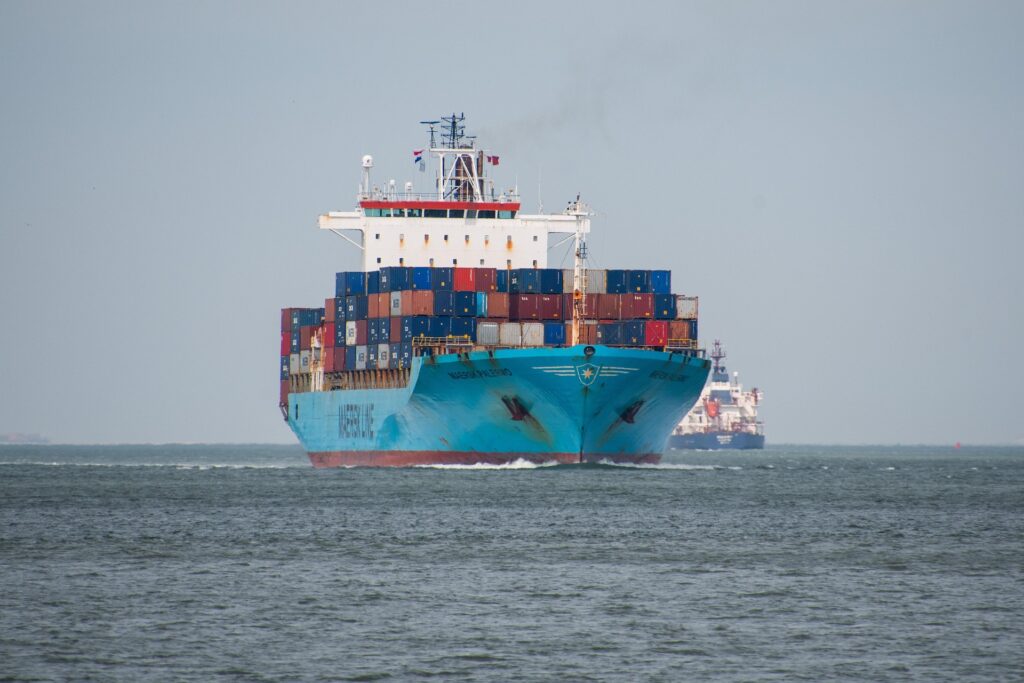
You have budgeted for the vehicle, shipping, and customs duty. But when the final invoice arrives, there is an unexpected line item that adds hundreds of thousands of naira to your bill: Terminal Handling Charges (THC) .
Many Nigerian importers are caught off guard by these fees. They are not part of the customs duty calculation, yet they are mandatory and must be paid before your vehicle can leave the port. In some cases, THC alone can exceed ₦350,000 per container .
This guide provides a comprehensive breakdown of Terminal Handling Charges for car imports to Nigeria in 2026. You will learn what THC covers, how much you should expect to pay at Apapa, Tin Can, and PTML terminals, and how to avoid hidden charges that can derail your import budget.
What Are Terminal Handling Charges (THC)?
Terminal Handling Charges are fees charged by port terminal operators for physically handling cargo or containers at the port . When your vehicle arrives at a Nigerian port like Apapa, Tin Can Island, or PTML, it must be unloaded from the vessel, moved within the terminal, stacked, stored temporarily, and eventually loaded for release or delivery. THC covers all of these services .
In simple terms, THC is the cost of physically handling your container or vehicle inside the port . These charges are typically billed by the terminal operator but passed to importers through shipping lines or freight forwarders .
What THC Covers
Terminal handling charges typically include :
| Service | Description |
|---|---|
| Unloading containers from vessels | Ship-to-shore crane operations to discharge cargo |
| Moving cargo within the terminal yard | Transporting containers from the quay to stacking areas |
| Using cranes and port equipment | Equipment and labor costs for handling |
| Yard stacking and temporary storage | Space and handling during the storage period |
| Loading containers for release or delivery | Final handling for outbound delivery |
THC at Nigerian Ports — Current Rates (2026)
THC is not fixed. It varies by port, container size, and terminal operator. Below are typical ranges for Nigerian ports based on current import operations.
THC by Container Size
| Container Size | Typical THC Range (₦) |
|---|---|
| 20ft Container | ₦150,000 – ₦350,000 |
| 40ft Container | ₦250,000 – ₦525,000 |
THC by Terminal
Different terminals have different rate structures:
PTML-Specific Charges
PTML (Ports & Terminal Multiservices Limited) is the primary RoRo terminal for vehicle imports at Tin Can Island Port. It is the largest dedicated RoRo and automotive terminal in West Africa, capable of receiving large car carriers with capacities above 2,500 vehicle equivalent units .
In the first quarter of 2026, PTML received 2,150 units of vehicles, with major deliveries including Great Cotonou (500 units), Great Antwerp (500 units), Grande Angola (250 units), and Grand Cotonou (400 units) .
Important Update: PTML implemented a revised schedule of operational tariffs effective Monday, 16th February 2026, following a comprehensive review . Current rates may be higher than previously published figures.
How THC Fits Into Your Total Landed Cost
To understand the full picture, it is useful to see THC in the context of all the charges you will pay when importing a car to Nigeria.
The 2026 Cost Structure
Under the updated 2026 customs framework, clearing a used vehicle now typically costs between 42 and 45 per cent of the vehicle’s CIF value before additional expenses such as shipping, terminal handling charges, and clearing agent fees are added .
A vehicle with a CIF value of ₦10 million could attract more than ₦4 million in customs-related payments alone, significantly increasing the final price paid by the buyer .
Complete Cost Breakdown Example
Based on industry data, here is a breakdown of charges for a vehicle with a CIF value of ₦15 million:
In this example, non-duty expenses (including THC, clearing agent fees, documentation, and inland transport) add approximately ₦600,000 to ₦850,000 to the total cost.
Why THC Varies
Several factors influence how much you will pay in terminal handling charges:
Terminal Location
Apapa, Tin Can, and Lekki ports have different rate structures based on infrastructure, efficiency, and operational costs .
Container Size
THC is higher for larger containers because they require more equipment and space to handle .
Shipping Line Pricing Structure
Different shipping lines may have different THC arrangements with terminal operators, and these costs are passed to importers .
Port Efficiency
Congestion at the port can lead to additional handling costs as containers are moved multiple times during extended stays.
Vehicle Condition
Non-running vehicles require forklift handling, which attracts additional charges.
Government Tariff Regulations
Terminals have their own published tariffs, which are reviewed and adjusted periodically. APMT, TICT, and PTML have their own published tariffs .
Additional Port Charges You Should Know
THC is not the only port charge you will encounter. Here are other common charges:
Demurrage — The Hidden Cost Trap
Demurrage is a daily charge imposed when your vehicle remains at the port beyond the free storage period (typically 3-5 days) . These charges can escalate quickly, adding significant costs to your import.
Avoiding demurrage:
- Engage your clearing agent before the vessel arrives
- Ensure all documentation is complete and correct
- Pay duties promptly
- Process Form M and PAAR before vessel arrival
The Agent Fee Reality
Clearing agents do not set THC charges. Terminals like APMT, TICT, and PTML have their own published tariffs. As one licensed clearing agent explained: “Importers see THC on our invoice and think we are inflating it… We don’t add a kobo. If we show you the terminal receipt, you will see the exact amount” .
What importers should do: Ask your agent for the terminal invoice. If the fee matches, the issue is with the terminal operator, not your agent .
How to Reduce THC and Other Port Charges
1. Choose the Right Terminal
If you have a choice of shipping lines, consider which terminal they use. PTML specializes in vehicle handling and may offer more efficient processing than general cargo terminals, potentially reducing storage and demurrage charges. PTML is the largest dedicated RoRo and automotive terminal in West Africa .
2. Ensure Your Vehicle Runs
Non-running vehicles require forklift handling, which attracts additional charges. If you can, prioritize “Run and Drive” vehicles for RoRo shipping.
3. Complete Documentation Before Arrival
Processing Form M and PAAR before your vessel arrives can prevent delays that lead to storage charges and demurrage .
4. Work with Experienced Clearing Agents
A licensed clearing agent with experience at your chosen terminal can navigate the process efficiently, reducing the risk of unnecessary charges. An experienced agent can show you the terminal receipt and explain the exact charges .
5. Budget for THC
Include THC in your total landed cost estimate before bidding on a vehicle. The ₦150,000 – ₦525,000 range should be factored into your budget .
6. Request Terminal Receipts
Ask your clearing agent to provide the terminal invoice for THC and other port charges. This ensures transparency and helps you understand exactly what you are paying for .
The 2026 Context — How New Policies Affect THC
Reduced Import Duty, But Port Charges Remain
The Federal Government reduced import tariffs on fully built passenger vehicles from 70% to 40% in April 2026, under the 2026 Fiscal Policy Measures . This 30% reduction was aimed at curbing high vehicle ownership costs and easing transportation challenges .
However, terminal handling charges have increased over time, partially offsetting these savings. As one industry expert noted: “Dollar is unstable, freight costs are high, and even terminal handling charges keep increasing. So yes, duty has dropped, but overall landing cost has not reduced in the way people expect” .
Green Tax on Large Engines
A new 2% environmental levy on vehicles with engine capacity of 2,000cc and above could push the effective rate higher. As one analyst noted: “By the time you add the two percent, it will go up again to 42 percent” .
PTML Tariff Adjustment (February 2026)
PTML implemented a revised schedule of operational tariffs effective February 16, 2026, following a comprehensive review . This may have increased THC rates at this terminal.
Zero Duty for Electric Vehicles
Zero import duties have been granted to electric vehicles and mass transit buses to promote cleaner and affordable transportation .
Vehicle Import Volume Surge
In Q1 2026, following the duty slash, Nigeria’s RoRo terminals PTML and Five Stars Logistics received 3,724 units of used vehicles, with 58,870 units handled in total—a 67% increase from 35,262 units in the same period last year .
Frequently Asked Questions
What is Terminal Handling Charge (THC) in Nigeria?
THC is the fee charged by port terminal operators for physically handling cargo or containers at the port. It covers unloading vessels, moving containers within the terminal, using cranes and equipment, stacking, and loading for release .
How much is THC at Nigerian ports?
THC typically ranges from ₦150,000 to ₦350,000 for 20ft containers and ₦250,000 to ₦525,000 for 40ft containers . PTML charges per vehicle based on its tariff schedule .
Who charges Terminal Handling Charges in Nigeria?
Terminal operators (APM Terminals Apapa, TICT, PTML) set the charges, but they are typically collected through shipping lines or included in freight forwarder invoices .
Is THC included in customs duty?
No. THC is a separate port charge and is not part of customs duty . It is paid to the terminal operator before the vehicle or container can be released.
Can I avoid Terminal Handling Charges?
THC cannot be avoided, as it covers mandatory port handling services. However, you can reduce related costs by avoiding demurrage, ensuring proper documentation, and choosing efficient terminals .
What is the difference between THC and demurrage?
THC is a one-time charge for handling your cargo at the port . Demurrage is a daily charge applied after the free storage period expires .
Does PTML charge for non-running vehicles differently?
PTML implements specific tariffs for different vehicle types. Non-running or damaged vehicles may require forklift handling, which may attract additional charges.
How can I verify THC charges are correct?
Ask your clearing agent for the terminal invoice. If the fee matches the published tariff, it is correct. If not, ask for clarification .
Conclusion
Terminal Handling Charges are a significant and unavoidable part of importing a car into Nigeria. THC at Nigerian ports typically ranges from ₦150,000 to ₦525,000 depending on container size and terminal .
When combined with other port charges—shipping line release fees, documentation fees, and demurrage—non-duty expenses can add ₦600,000 to ₦850,000 or more to your total landed cost.
Key Takeaways
- THC covers mandatory port handling services — including unloading, movement, stacking, and loading .
- Rates vary by port, container size, and terminal — expect ₦150,000–₦525,000 for containers .
- PTML implemented a revised tariff schedule effective February 16, 2026 .
- Additional port charges apply — shipping line release fees (₦80,000–₦150,000), documentation fees (₦20,000–₦50,000), and demurrage .
- Ask for terminal receipts — clearing agents do not set THC; they pass on terminal charges .
- Budget for port charges before bidding — including THC in your total landed cost estimate prevents surprises.
For importers who prefer professional guidance through the entire import process, AutoRiva Africa provides comprehensive services—from vehicle sourcing and VIN verification to THC and port charge management, customs clearance, and delivery.
Ready to import with confidence? Contact AutoRiva Africa today for a transparent landed cost estimate and personalized import plan.