
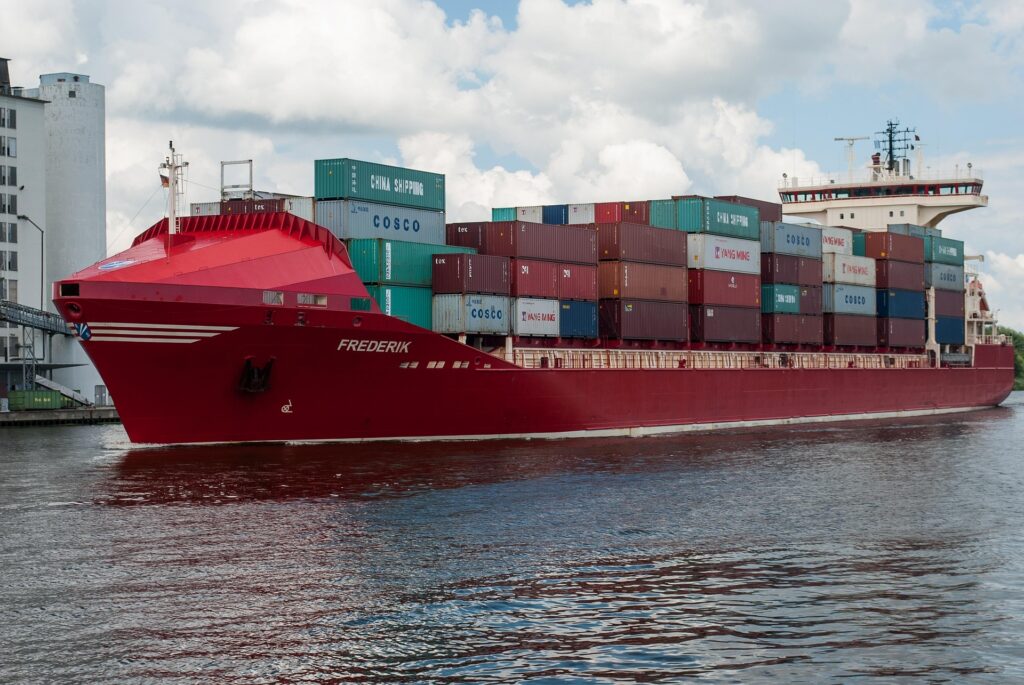
After weeks of waiting, the message arrives: “Your vessel has arrived at Lagos Port.”
The excitement is palpable. Your vehicle is finally on Nigerian soil. After months of research, bidding, payment, shipping coordination, and anxious waiting, the car you have been dreaming of is now within reach.
But the journey is not over. In fact, the final phase of the import process—from port arrival to registration—is often the most complex and anxiety-inducing. This is where many importers encounter unexpected delays, hidden charges, and bureaucratic hurdles that can turn a smooth import into a frustrating ordeal.
What actually happens after your car arrives in Nigeria? How long will it take? What documents do you need? And what are the new VehCAP requirements that every importer must now navigate?
This guide provides a comprehensive, step-by-step explanation of everything that happens after your car arrives in Nigeria. You will learn about port clearance procedures, customs valuation and duty payment, the new VehCAP certification process, temporary admission provisions, and the final vehicle registration process.
By the conclusion of this guide, you will have a clear understanding of the post-arrival process—and the confidence to navigate it successfully without falling victim to hidden fees, delays, or costly mistakes.
Vessel Arrival and Discharge
The journey from the United States to Nigeria typically takes 4 to 8 weeks, depending on the origin port, shipping method, and whether the vessel requires transshipment through European or North African hubs. Upon arrival at Lagos, your vehicle enters the Nigerian port system and begins the final phase of its import journey.
Which Port Does Your Vehicle Arrive At?
Vehicles shipped from the US to Nigeria typically arrive at one of two ports in Lagos:
Tin Can Island Port (PTML Terminal) : The PTML (Port and Terminal Multiservices Limited) terminal specializes in Roll-on/Roll-off vehicle handling. Many RoRo carriers, including Grimaldi Lines, deliver to this terminal. PTML is generally preferred for vehicle clearance due to its specialization and reputation for efficiency. In the first quarter of 2026, PTML took delivery of over 2,150 vehicle units, demonstrating its capacity and importance to the Nigeria trade lane.
Apapa Port: The older and busier of the two ports, Apapa handles a mix of containerized and RoRo cargo. While it processes many vehicles, congestion can lead to longer clearance times. Apapa is the port of first entry for a significant portion of Nigeria’s imports, including many containerized vehicle shipments.
The arrival process differs depending on your shipping method, which is why it is important to understand the specific steps for your vehicle type.
For RoRo (Roll-on/Roll-off) Shipments
RoRo is the most common shipping method for running vehicles. When the RoRo vessel arrives at Lagos, the following steps occur:
Vessel Berthing: The vessel docks at the terminal. For PTML, this is typically within 24-48 hours of arrival at the outer anchorage, thanks to the terminal’s specialized vehicle handling infrastructure. For Apapa, congestion may cause delays of several days, as the port handles a much wider variety of cargo.
Discharge: Vehicles are driven off the vessel by terminal operators. This process can take 1-3 days depending on the number of vehicles on board. In some cases, vessels may discharge hundreds of vehicles in a single operation. In Q1 2026, PTML received 2,150 units across vessels including Great Cotonou, Great Antwerp, and Grande Angola. Tin Can Island Port also received 1,574 additional units at Five Stars Logistics terminal.
Storage: Once discharged, vehicles are moved to the terminal parking lot. The terminal issues a Car Condition Report documenting any damage observed during discharge. It is essential to obtain and keep this report, as it serves as evidence of the vehicle’s condition upon arrival. If there are discrepancies between the auction photos and the condition report, you may have grounds for an insurance claim.
Notification: Your shipping agent or freight forwarder will notify you or your clearing agent that the vehicle has arrived and is available for clearance. This notification typically includes the discharge date, the vehicle’s location within the terminal, and a reference number for tracking.
For Container Shipments
Containerized vehicles (typically luxury cars, non-running vehicles, or multiple units) follow a slightly different process:
Vessel Berthing: The container vessel docks at the container terminal at Apapa or Tin Can container terminals. Container vessels have their own berthing schedules, which can be affected by congestion.
Discharge: Containers are lifted off the vessel by massive gantry cranes and moved to the container yard. This process takes 1-2 days depending on the vessel’s size and the number of containers being discharged.
Booking for Examination: The container is booked for customs examination. This is a mandatory step for containerized cargo. The container is scheduled for physical examination by Customs officers to verify its contents match the documentation.
Customs Examination: Customs officers examine the container to verify its contents match the documentation. For container shipments, the entire clearance process is typically estimated to take 3-5 business days from the time of booking.
The Car Condition Report — Why It Matters
The Car Condition Report is one of the most important documents you will receive after your vehicle arrives. It is issued by the terminal operator and documents the physical condition of your vehicle at the time of discharge.
Why it matters:
- Evidence for Insurance Claims: If your vehicle was damaged during shipping, the condition report serves as the primary evidence for filing a marine insurance claim. Without this report, it is extremely difficult to prove that damage occurred during ocean transit.
- Verification of Auction Condition: The report confirms whether the vehicle’s condition matches what was described in the auction listing. If there are significant discrepancies, you may have recourse against the auction house or the shipping line.
- Protection Against Terminal Damage: Sometimes vehicles are damaged while being driven off the vessel or moved around the terminal. The condition report documents the vehicle’s state immediately after discharge, helping you identify any damage that occurred after arrival.
Action Step: Ask your clearing agent to provide the Car Condition Report immediately upon the vehicle’s arrival. Review it carefully and compare it with the auction photos and condition report.
Key Documents Required at Arrival
Before clearance can begin, your clearing agent must have the following documents. Having these documents ready before the vessel arrives is critical to avoiding delays and demurrage charges:
Bill of Lading (original or telex release): This is the most important shipping document. It serves as the contract of carriage and proof that the shipping line has delivered your vehicle. If you have a telex release, the electronic version is sufficient. If you have the original Bill of Lading, it must be presented physically.
Commercial Invoice: This document shows the purchase price of the vehicle and all associated fees. It is used by Customs to determine the vehicle’s value.
Form M: This mandatory import declaration must have been opened before the vessel departed the US port. Without a valid Form M, clearance cannot commence.
PAAR (Pre-Arrival Assessment Report): Issued by Customs after Form M processing, the PAAR contains the duty assessment for your vehicle. Having this document ready before arrival significantly speeds up the clearance process.
Insurance Certificate: Proof of marine insurance covering the vehicle during ocean transit.
Certificate of Origin: Document confirming the country where the vehicle was manufactured.
The VehCAP Certification Process
In 2026, the Standards Organisation of Nigeria (SON) and the National Automotive Design and Development Council (NADDC) launched the Vehicle Conformity Assessment Programme (VehCAP) . This program is designed to ensure that both used and new vehicles imported into Nigeria meet applicable safety and quality standards. It represents a significant shift in how vehicle imports are regulated.
What Is VehCAP?
VehCAP is an enhancement of existing conformity assessment frameworks, aimed at improving efficiency, safety, transparency, and service delivery in the automotive importation and production value chain . It is designed to protect human lives, ensure product quality, and enforce compliance with national standards, particularly in view of the safety implications associated with substandard or unregulated vehicle imports.
The programme applies to:
- New fully built vehicles
- Used fully built vehicles
- Imported used vehicles
- Locally assembled vehicles
For used vehicle importers, VehCAP requires that imported vehicles meet minimum safety and quality standards before they can be registered and legally driven on Nigerian roads.
What Happens If Your Vehicle Does Not Have VehCAP Certification?
A common concern among importers is what happens to vehicles that arrive without VehCAP pre-shipment certification. The government has addressed this concern explicitly to prevent importers from being stranded at the ports.
According to the joint SON-NADDC statement: “Vehicles that arrive in Nigeria without SON-NADDC VehCAP certification will not be stranded or arbitrarily stopped at the ports. Such vehicles will be allowed to proceed through the normal customs clearance process” .
After customs clearance, importers will be required to “present the vehicles for mandatory destination inspection and in-country verification of conformity at designated testing centres. Upon successful verification, the necessary clearance documentation will be issued to enable the processing of vehicle registration and licensing” .
The 90-Day Transition Window
The government has provided a 90-day transition window upon full commencement of the program. During this period, vehicles imported without VehCAP certification will continue to be eligible for in-country conformity assessment . It is expected that within this timeframe, importers will progressively align with the pre-shipment verification requirements.
This transition period is designed to:
- Allow importers to adapt to the new requirements
- Enable the development of testing infrastructure in Nigeria
- Prevent disruption to the vehicle supply chain
- Give importers time to comply with pre-shipment verification
In-Country Verification Process
If your vehicle arrives without VehCAP certification, you will need to go through in-country verification:
- Customs Clearance: Your vehicle completes customs clearance as normal, with all duties and levies paid.
- Designated Testing Centre: You present your vehicle at an approved testing centre.
- Conformity Assessment: The vehicle undergoes inspection to verify it meets safety and quality standards.
- Clearance Documentation: Upon successful verification, you receive the necessary documentation for vehicle registration and licensing.
- Registration: With the VehCAP clearance, you can complete the registration process with the FRSC.
Why VehCAP Matters for Importers
VehCAP represents a significant shift in Nigeria’s approach to vehicle imports. For importers, it means:
- Greater transparency: Vehicles will be subject to standardized quality checks.
- Consumer protection: Unsafe or substandard vehicles will be prevented from entering the market.
- Long-term market stability: The policy aims to reduce the inflow of substandard and accidented vehicles, which currently dominate the market .
Customs Valuation and Duty Payment
Once your vehicle is discharged and documentation is verified, the customs valuation and duty payment process begins. This is often the most expensive and stressful part of the post-arrival process.
Customs Valuation
Nigeria Customs Service (NCS) assesses the value of your vehicle based on several factors:
CIF Value (Cost, Insurance, Freight) in Naira (using the NCS exchange rate). Customs uses its own exchange rate, which is updated periodically and differs from the parallel market rate.
The Vehicle’s Year, Make, Model, and Specifications: Customs maintains a valuation database linked to each vehicle’s VIN. This system generates a minimum value for each vehicle based on its make, model, year, and specifications—regardless of your purchase price.
Condition of the Vehicle: Salvage vehicles with documented damage can qualify for duty rebates of 40-60% compared to clean title vehicles.
Customs Valuation Database: Customs uses a VIN-linked system that references international market values. Even if you purchased a vehicle at a very low price (due to damage or an aggressive bid), Customs may assess the vehicle at a higher value based on their database.
Important: Customs valuation is determined by customs officers, not by importers. Individuals are not allowed to handle the valuation of a car except the official customs officer . Customs has its own data and information for all cars being imported into the country, so there is no need to declare the value of the vehicles on the Bill of Lading.
2026 Duty Rates
The Federal Government reduced import tariffs on fully-built passenger vehicles from 70 percent to 40 percent in April 2026 . This reduction aims to curb high vehicle ownership costs and ease transportation challenges. The new structure has made importing more affordable than in previous years.
| Charge Type | 2026 Rate | Calculated On |
|---|---|---|
| Import Duty | 20% | CIF Value |
| NAC Levy (used cars) | 15% | CIF Value |
| NAC Levy (new cars) | 20% | CIF Value |
| VAT | 7.5% | CIF + Duties + Levies |
| Surcharge | 7% | Import Duty amount |
| ETLS | 0.5% | CIF Value |
| FOB Levy | 4% | FOB Value |
Zero import duties have been granted to electric vehicles and mass transit buses to promote cleaner and affordable transportation . This is a significant incentive for importers considering electric vehicles.
Duty Calculation Example
Let us calculate the complete duty payable for a used Toyota Camry with the following specifications:
- FOB Value: $6,200
- Freight: $1,500
- Insurance: $93
- CIF Value: $7,793
- NCS Exchange Rate: ₦1,500/USD
- CIF in Naira: ₦11,689,500
| Duty Component | Calculation | Amount (₦) |
|---|---|---|
| Import Duty (20%) | 0.20 × ₦11,689,500 | ₦2,337,900 |
| NAC Levy (15%) | 0.15 × ₦11,689,500 | ₦1,753,425 |
| ETLS (0.5%) | 0.005 × ₦11,689,500 | ₦58,448 |
| FOB Levy (4% of FOB) | 0.04 × ($6,200 × ₦1,500) | ₦372,000 |
| Surcharge (7% of Duty) | 0.07 × ₦2,337,900 | ₦163,653 |
| VAT (7.5% of total) | 0.075 × ₦16,374,926 | ₦1,228,119 |
| Total Customs Charges | ₦5,913,545 |
Paying Duty
Duty payments are made through authorized banks. Your clearing agent will:
- Present the PAAR to the bank for confirmation of the assessed duty amount
- Pay the assessed duty amount from your naira account
- Obtain a Customs Duty Payment Receipt as proof of payment
This receipt is critical for the remainder of the clearance process. You will need it for vehicle registration and as proof that all taxes have been paid.
Common Valuation Issues
Valuation Discrepancies: If you believe Customs has overvalued your vehicle, you can request a valuation query. This requires presenting evidence of the vehicle’s condition (auction photos, condition report) and the actual purchase invoice. The process can take 1-2 weeks and may not result in a lower valuation.
Debit Notes: If Customs finds discrepancies between your documentation and the actual vehicle, they may issue a Debit Note (DN) increasing the valuation. Additional customs duty would have to be paid. This often occurs when the chassis number or vehicle specifications do not match the documentation.
Exchange Rate Fluctuations: The Customs exchange rate can change between the time you calculate your budget and when your vehicle arrives. An adverse movement of ₦100 per USD on a $10,000 CIF value adds ₦1 million to your duty calculation.
Prevention: Work with an experienced clearing agent who can verify the valuation before payment and advise on any potential issues.
Terminal Processing and Vehicle Release
After duty payment, your vehicle moves through terminal processing. This is the stage where you physically take possession of your vehicle from the port authority.
For RoRo Vehicles
Customs Inspection: Customs officers conduct a physical inspection of the vehicle to verify the chassis number, engine number, and vehicle specifications match the documentation. This inspection is mandatory for all imported vehicles and can take 1-3 days to schedule.
Charge Assessment: Your clearing agent receives the customs valuation and charges. Payments are made by the client. This includes all terminal handling charges, shipping line release fees, and any other charges assessed by the terminal.
Document Gathering: All paid documents are presented to the terminal to retrieve the vehicle. This includes the Customs Duty Payment Receipt, terminal handling payment receipt, and shipping line release confirmation.
Vehicle Retrieval: Once all documents are verified, the terminal releases the vehicle. For RoRo vehicles, you or your agent can drive the vehicle out of the terminal.
For Container Vehicles
Container Examination: The container is examined by Customs to verify its contents match the documentation. This involves opening the container and inspecting the vehicle(s) inside.
Valuation: Customs gives valuation for each car in the container. Each vehicle is assessed individually based on its year, make, model, and condition.
Container Release: The container is released after duty payment. The container is moved to a designated area where the vehicle(s) can be removed.
Shipping Company Payments: Shipping line payments are made and documents are received. This includes the release fee and any other charges assessed by the shipping line.
Exit Confirmation: Exit is confirmed at the gate. Your agent takes delivery of the goods for distribution. For container shipments, the vehicle is removed from the container and driven out.
Terminal Charges
You will need to pay several terminal charges before your vehicle can be released:
| Charge Type | Typical Amount (₦) |
|---|---|
| Terminal handling charges | 50,000 – 200,000 |
| Shipping line release fee | 50,000 – 150,000 |
| Gate pass fee | 10,000 – 25,000 |
| Customs examination fee (if applicable) | 20,000 – 50,000 |
| Potential storage/demurrage | 30,000 – 100,000 per day |
Demurrage charges: If your vehicle remains at the port beyond the free storage period (typically 3-5 days), demurrage charges apply at rates of ₦30,000 to ₦100,000 per day.
Key Note on Vehicle Condition
The port authority issues a “Car Condition Report” on each vehicle once it arrives. Ask your clearing agent to provide this report and confirm it matches the condition of your vehicle . If there is damage that occurred during shipping, this report serves as evidence for an insurance claim.
Action Steps:
- Review the Car Condition Report immediately upon arrival
- Compare the report with the auction photos
- Document any discrepancies with photographs
- Notify your insurance company immediately if there is damage
Temporary Admission for International Travellers
If you are an international traveller temporarily bringing a personal vehicle into Nigeria, a different process applies. The Nigeria Customs Service has implemented a framework for temporary admission of personal, non-commercial vehicles .
What Is Temporary Admission?
Temporary admission allows international travellers to bring personal vehicles into Nigeria for a limited period without paying the full customs duty and VAT that would apply to a permanent import. This is particularly useful for expatriates, diplomats, and business travellers who need their vehicles in Nigeria for a short period.
Legal Basis
The framework draws legal backing from:
- NCS Act, 2023
- Revised Kyoto Convention
- UN TIR Convention
- Istanbul Convention
- ECOWAS Protocol on Free Movement of Persons
These international agreements provide the legal framework for temporary admission of vehicles across borders.
Requirements for Temporary Admission
Travellers must present:
- Valid international passport
- International driver’s license
- Vehicle registration certificate
- Insurance certificate
- Carnet de Passages en Douane (CPD)
Carnet de Passages en Douane (CPD) : A CPD is an international customs document that allows a vehicle to be temporarily imported into a country without paying customs duty. It serves as a guarantee that the vehicle will be re-exported. It is required for Nigeria and many other countries.
Permit Issuance and Duration
Permit: A Temporary Vehicle Admission Permit valid for up to 90 days is issued at the port of entry. This permit allows you to drive your vehicle in Nigeria during the permit period.
Extension: An extension of up to 30 days is possible, subject to approval by Customs. Extensions must be applied for before the original permit expires.
Renewal: In exceptional cases, additional extensions may be granted. This requires a formal application and justification.
Restrictions on Temporary Admission
Vehicles admitted under this regime have important restrictions:
- Cannot be sold: The vehicle cannot be sold, leased, or transferred to any person in Nigeria.
- Cannot be modified: The vehicle cannot be modified or altered.
- Cannot be used commercially: The vehicle cannot be used for commercial purposes (e.g., as a taxi, ride-hailing vehicle, or delivery vehicle).
- Must be re-exported: The vehicle must be re-exported when the permit expires. Failure to re-export can result in forfeiture of the vehicle and penalties.
Temporary Admission for Vehicles Purchased Abroad
For international travellers bringing a vehicle purchased abroad, a similar temporary framework is available. The vehicle must be cleared through Customs on a temporary basis using a CPD and returned to a port of exit for re-export within the allowed time frame. This can be a useful option for those who plan to use a vehicle in Nigeria for a few months and then take it to another country.
Vehicle Registration — The Final Step
After customs clearance and terminal release, your vehicle must be registered with the Federal Road Safety Corps (FRSC) and your state licensing authority before it can be legally driven on Nigerian roads. This is the final step in the import process.
Required Documents for Registration
For an imported used (Tokunbo) vehicle, you need the following documents:
Customs Duty Certificate (Proof of import clearance): This is the Customs Duty Payment Receipt you obtained after paying duties. It confirms that all taxes have been paid and the vehicle is legally imported.
Purchase Receipt or Commercial Invoice: The invoice from the auction house or seller showing the purchase price and vehicle details.
VIN and Engine Number: The unique identifiers for your vehicle. These must match the documentation.
Vehicle Inspection Report: Issued by a licensed Vehicle Inspection Service (VIS) centre. This confirms the vehicle’s roadworthiness and identity.
Customs Form C250 (Proof of Ownership): Issued by Customs, this document confirms that the vehicle was legally imported and that all duties were paid. It is required for registration.
Passport Copy: A clear copy of your international passport or national ID.
TIN (Tax Identification Number): Your TIN is required for all government transactions, including vehicle registration.
Proof of Address: A recent utility bill or bank statement showing your residential address.
Insurance Certificate: At least third-party insurance is required before registration can be completed. Comprehensive insurance is recommended but not mandatory.
Registration Process
Vehicle Inspection: You must take your vehicle to a licensed Vehicle Inspection Service (VIS) centre for:
- Chassis number verification (the inspector physically checks the chassis number on the vehicle)
- Engine number verification (where visible)
- Basic roadworthiness inspection (brakes, lights, tyres, seatbelts)
- Vehicle specifications verification (make, model, year, colour)
Engage a VIS Agent: Submit your documents to a VIS agent, who will enter the VIN and engine number into the NVIS (National Vehicle Identification Scheme) portal . The NVIS is the national database for all vehicles registered in Nigeria.
Pay Government Fees: Payment is required for the following:
| Item | Approximate Cost (₦) |
|---|---|
| Standard private plate | 30,000 |
| Standard commercial plate | 30,000 |
| Vehicle license and registration fees | 45,000 – 110,000 |
| Total for standard vehicle | 75,000 – 140,000 |
| SUV | 90,000 – 180,000 |
Issuance of Documents: Upon successful processing, you receive:
- Number plates (front and rear)
- Proof of Ownership (the state-issued certificate)
- Vehicle license (annual road worthiness document)
- Registration certificate (containing the vehicle’s registration number)
Total registration time: Typically 24 to 48 hours after submission, depending on agent efficiency and the workload at the licensing office.
Common Registration Issues
Document Discrepancies: If any document has errors (e.g., misspelled name, wrong chassis number), registration will be delayed. Always verify all documents before submission.
VIN Mismatch: If the chassis number on the vehicle does not match the Customs documents, registration is impossible. This is why VIN verification before bidding is essential.
Lack of C250: Without Customs Form C250, registration cannot proceed. Ensure your clearing agent obtains this document before you leave the port.
Late Registration Penalties: If you delay registration beyond the allowed period, you may incur fines. It is advisable to register within 30-60 days of clearance.
Common Post-Arrival Challenges and Solutions
Challenge 1: Missing or Incorrect Documentation
Procedural errors and incomplete documentation frequently cause avoidable delays and additional charges, including incorrect auction documentation, failure to declare a vehicle as non-operational, or neglecting to indicate forklift requirements .
Solution: Have all documents verified before the vessel arrives. Work with an experienced clearing agent who will review your paperwork for discrepancies. Double-check that the chassis number, engine number, and vehicle model match across all documents.
Challenge 2: Valuation Disputes
Customs may value your vehicle higher than your purchase price, resulting in unexpected duty increases. This is one of the most common sources of frustration for first-time importers.
Solution: If you believe the valuation is incorrect, you or your agent can go to the customs office to confirm the valuation and request a review if necessary . Present evidence of the vehicle’s condition, the auction photos, and the actual purchase invoice.
Challenge 3: Demurrage and Storage Charges
If your vehicle remains at the port beyond the free period (typically 3-5 days), demurrage charges apply. These can reach $60 per day . For RoRo vehicles, demurrage charges can be significant if clearance is delayed.
Solution: Engage your clearing agent before the vessel arrives. Ensure all documents are complete. Pay duties promptly. Do not delay clearance unnecessarily. Plan for a buffer of 1-2 weeks in your timeline to account for potential delays.
Challenge 4: Vehicle Condition Issues
Sometimes, vehicles arrive in worse condition than described in the auction listing. The port condition report is your best evidence. Vehicles can be damaged during discharge, during terminal movement, or during ocean transit itself.
Solution: Request the condition report from the shipping line at the destination. If damage occurred during shipping, use this report to file an insurance claim . Photograph any damage immediately upon inspection.
Challenge 5: Clearing Agent Delays
Not all clearing agents are equally efficient. Some may delay clearance due to lack of experience, disorganization, or intentional tactics to extract additional fees.
Solution: Engage a licensed clearing agent with a proven track record. Verify CRFFN registration. Request references from past clients. Insist on a written agreement with a clear timeline.
Challenge 6: VehCAP Compliance
If your vehicle arrives without VehCAP pre-shipment certification, it will need to undergo in-country verification at a designated testing centre. This can add time and cost.
Solution: Plan for VehCAP verification in your timeline. Work with your clearing agent to understand the in-country verification process and schedule the inspection promptly.
Frequently Asked Questions
How long does it take to clear a car after it arrives in Nigeria?
For RoRo shipments, clearance typically takes 5-10 business days. For container shipments, 3-5 business days . However, delays due to documentation issues, congestion, or valuation disputes can extend this timeline significantly. Factor in 2-3 weeks for the complete post-arrival process.
What is VehCAP and do I need it?
VehCAP is a vehicle conformity assessment program introduced by SON and NADDC in 2026 . If your vehicle arrives without VehCAP pre-shipment certification, it will still go through customs clearance but must undergo mandatory destination inspection at designated testing centres . Plan for this additional step in your timeline.
How much customs duty will I pay on my imported car?
In 2026, total duty on passenger vehicles is approximately 42-50% of CIF value, including Import Duty (20%), NAC Levy (15%), VAT (7.5%), and other charges. Electric vehicles enjoy zero import duty . Always get an estimate from your clearing agent before bidding.
Can I register my imported car myself?
Yes, but the process is complex. You will need to gather all documents, visit a VIS centre, pay government fees, and process through the FRSC NVIS portal . Most importers engage a professional agent to handle registration to avoid delays and complications.
What happens if I don’t register my imported car?
Driving an unregistered vehicle is illegal in Nigeria. Vehicles are regularly impounded at checkpoints . You also cannot obtain insurance or sell the vehicle legally without registration. Fines for unregistered vehicles can range from ₦10,000 to ₦50,000.
Does Autoriva handle post-arrival clearance?
Yes. Autoriva provides comprehensive post-arrival services, including customs clearance, VehCAP certification coordination, duty payment facilitation, terminal processing, and vehicle registration. We manage the entire process so you can focus on enjoying your vehicle.
Conclusion
After your car arrives in Nigeria, the process of clearing and registering it involves several critical steps that can seem overwhelming without proper guidance:
Vessel discharge and terminal processing: Your vehicle is unloaded and moved to the terminal. The Car Condition Report is issued.
VehCAP certification: New in 2026, this ensures vehicle safety and quality standards, with a 90-day transition window for compliance .
Customs valuation and duty payment: Customs assesses and you pay approximately 42-50% of CIF value in duties. This is the most expensive step in the post-arrival process.
Terminal release: Your vehicle is released after all charges are paid. You can finally take physical possession.
Vehicle registration: The final step with the FRSC, requiring Customs duty certificate and a valid VIS inspection. Once registered, your vehicle is fully legal.
The key to a smooth post-arrival experience is preparation. Ensure all documents are complete, engage a licensed clearing agent before the vessel arrives, budget for duties and port charges, and plan for the new VehCAP requirements. With the right preparation, your vehicle can be cleared and registered within 2-3 weeks of arrival.
Ready to import with confidence? Contact Autoriva today for a complete end-to-end import service—from auction bidding to final delivery and registration. We handle the complexity so you can enjoy the drive.